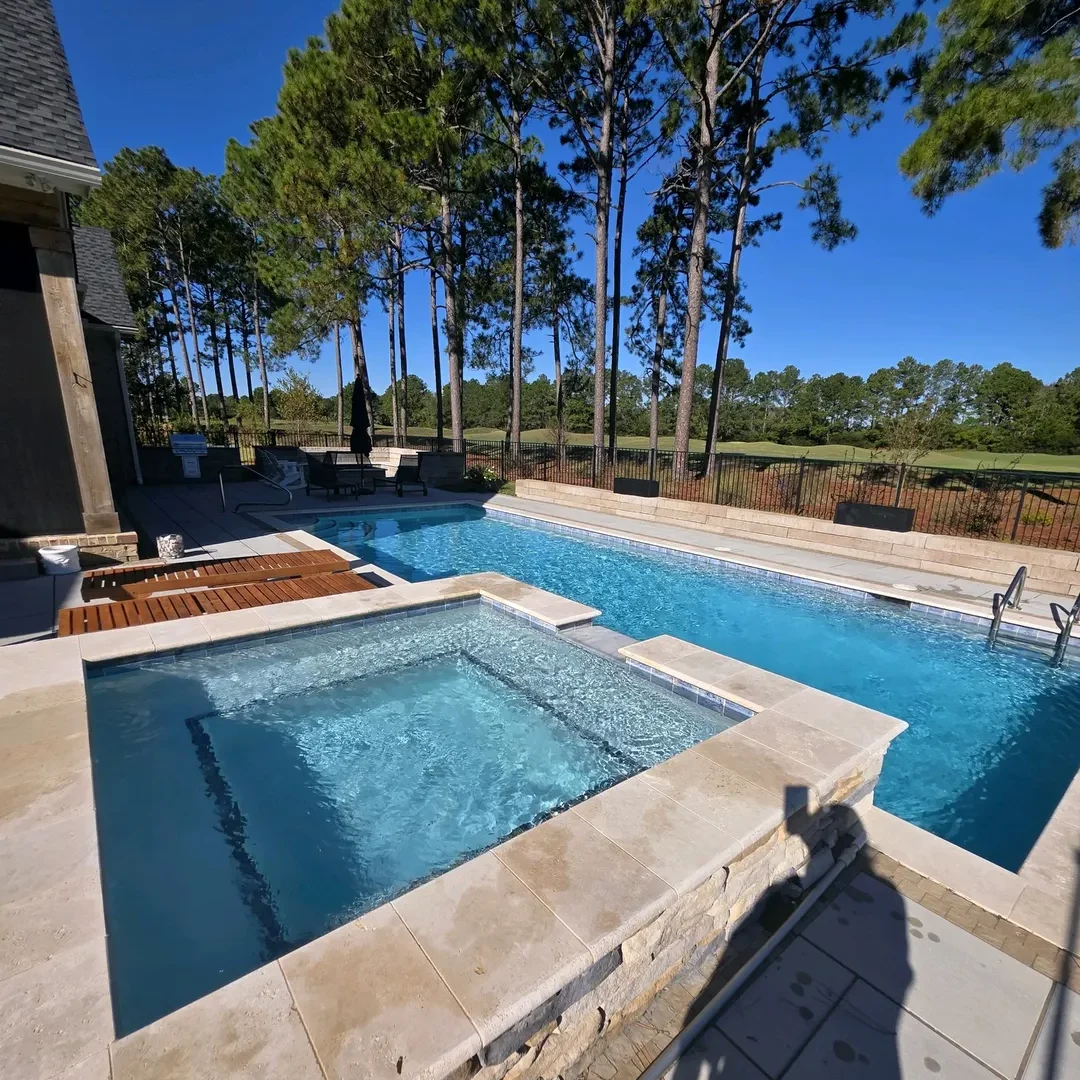
Professional Pool Care Tips for North Carolina Pools
Test and Balance Water Chemistry Weekly
Maintaining proper water chemistry stands as the foundation of sparkling pool water. Testing your pool water at least once weekly allows you to catch imbalances before they become cloudy water problems. In the coastal climate of Ocean Isle Beach, high humidity and frequent afternoon thunderstorms can quickly alter your water’s chemical balance.
Focus on these critical measurements: pH levels should remain between 7.4 and 7.6, total alkalinity between 80 and 120 ppm, and chlorine levels between 1 and 3 ppm. When pH drifts too high, chlorine loses effectiveness and water becomes cloudy. When pH drops too low, the water turns corrosive and can damage pool surfaces and equipment.
Invest in a quality test kit or digital meter rather than relying on basic test strips. Digital meters provide more accurate readings, especially important for detecting subtle shifts that lead to algae growth. Test in the morning before the sun affects chemical readings, and always test after heavy rain or high pool usage. Keeping a logbook of your test results helps identify patterns and prevents recurring issues throughout the swimming season.
Maintain Consistent Chlorine Levels
Chlorine serves as your primary defense against bacteria, algae, and organic contaminants that cloud pool water. Rather than shocking your pool intermittently, maintaining steady chlorine levels between 1 and 3 ppm prevents most water clarity issues before they start. During summer months along the North Carolina coast, intense UV rays break down chlorine faster, requiring more frequent monitoring.
Consider using stabilized chlorine tablets in a floating dispenser or automatic chlorinator for consistent release throughout the day. Cyanuric acid, the stabilizer in these tablets, protects chlorine from sunlight degradation. However, keep stabilizer levels below 50 ppm, as excessive amounts reduce chlorine effectiveness and create a condition called chlorine lock.
Plan to shock your pool every one to two weeks during peak swimming season, and always after heavy use, storms, or when you notice the water losing clarity. Shock treatments temporarily raise chlorine to 10 ppm or higher, oxidizing contaminants that regular sanitization misses. For best results, shock in the evening when the sun cannot degrade the elevated chlorine levels, allowing the treatment to work overnight.
Run Your Filter System Properly
Your filtration system represents the mechanical workhorse that removes particles and contaminants from pool water. During summer, run your filter at least 8 to 12 hours daily, or longer during periods of heavy use or pollen season. Many pool owners along the coast discover that running the filter during afternoon hours when swimmers use the pool most, plus overnight, provides optimal circulation and clarity.
Match your runtime to your pool’s turnover rate, which measures how long the system takes to circulate all the water through the filter. Most residential pools should complete at least one full turnover daily. Calculate your turnover time by dividing your pool volume by your pump’s flow rate in gallons per hour. A 20,000-gallon pool with a pump moving 2,500 gallons per hour needs 8 hours of runtime for complete filtration.
Monitor your filter’s pressure gauge to know when cleaning becomes necessary. When pressure rises 8 to 10 psi above the clean baseline, backwash sand or DE filters, or remove and rinse cartridge filters. Waiting too long between cleanings forces your pump to work harder, increases energy costs, and reduces filtration effectiveness. Set a regular filter cleaning schedule based on your pool’s usage patterns rather than waiting for visible water problems to develop.
Brush and Vacuum Regularly
Physical cleaning removes contaminants that chemicals and filters cannot eliminate alone. Brushing pool walls, steps, and corners at least twice weekly prevents algae from establishing colonies on surfaces. Even with proper chemical balance, algae spores settle on pool surfaces, and regular brushing dislodges them before they multiply and create visible blooms. Pay special attention to areas with poor circulation, such as behind ladders, in corners, and around steps.
Use a brush appropriate for your pool surface type. Stainless steel brushes work well for concrete and gunite pools but will scratch vinyl or fiberglass. For these gentler surfaces, use nylon bristle brushes that effectively remove debris without causing damage. Brush with overlapping strokes in a systematic pattern to ensure complete coverage, working debris toward the main drain where the filtration system can remove it.
Vacuum your pool at least once weekly, or more frequently during periods of high pollen or after storms. Automatic pool cleaners provide convenience, but manual vacuuming allows you to target problem areas and gives you a closer look at your pool’s condition. Vacuum slowly to avoid stirring up sediment that clouds the water. For stubborn dirt or algae, brush first, allow particles to settle for an hour, then vacuum to waste rather than through the filter to remove contaminants completely from your pool system.
Skim Debris Daily
Surface debris creates more than just an unsightly appearance. Leaves, insects, pollen, and other organic matter that floats on your pool surface begins breaking down immediately, consuming chlorine and introducing contaminants that cloud water and promote algae growth. In coastal areas, salt spray and sand blown from nearby beaches add to the daily accumulation that requires removal.
Skim your pool surface every morning before debris sinks to the bottom where it becomes harder to remove. Use a flat skimmer net with a fine mesh that catches small particles as well as larger leaves. Make skimming part of your daily routine, taking just five minutes to clear the surface before the day’s swimming activities begin. During fall months or periods of high pollen, you may need to skim multiple times daily to keep ahead of the constant accumulation.
Empty skimmer baskets at least twice weekly, or daily during heavy debris seasons. Full skimmer baskets restrict water flow, reducing filtration effectiveness and allowing debris to escape back into the pool. Check and clean pump baskets on the same schedule. Installing leaf traps between your skimmer and pump provides additional protection during fall, catching leaves before they reach your pump and filter system. This simple habit prevents equipment damage and maintains optimal water circulation that keeps your pool sparkling clear throughout the swimming season.